

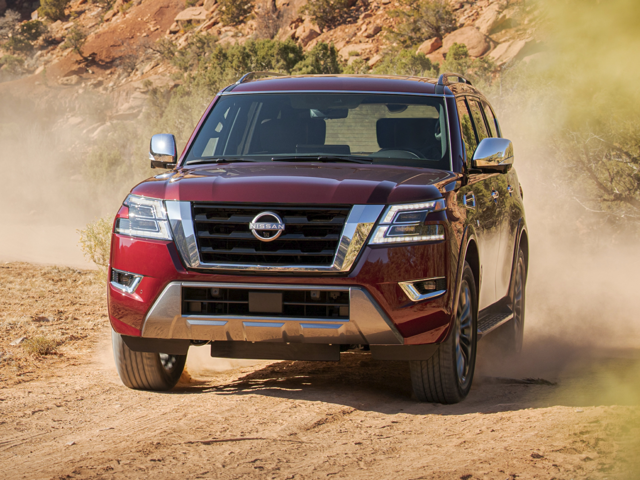
Your Nissan has a wide variety of systems to make driving safer and easier than ever before, and all these systems require electricity. In addition, electricity powers most of your car’s basic systems, from the headlights to the spark plugs. The alternator produces all the electricity for your car, but it can eventually become worn or damaged. As your Nissan dealer, we’d like you to know a few signs that you need to visit us for an alternator repair.
Old Alternator
The most common reason for alternator failure is that it’s old and worn out. On average, an alternator will work effectively for eight years. As it ages, worn components will cause the alternator to slow down. As it slows down, its electricity production will drop. The power supply reduction is slow but irreversible.
An alternator usually produces more power than your car requires, so its failure isn’t immediately noticeable. Eventually, the alternator won’t be able to supply enough power for all the systems in your Nissan. When this happens, your computer has to allocate the limited available power, and electrical glitches will appear and become more frequent. We can solve this problem by installing a new alternator, and the electrical issues will disappear.
Dim or Flickering Lights
Headlights require a steady and stable power supply, and any interruption in this supply will cause them to dim or flicker. If there seems to be a problem with your headlights, your alternator could be the source of the trouble. As we saw above, a weakening alternator will produce less power and your computer has to determine which systems receive the reduced electricity supply.
The computer will always supply power to the headlights, as they’re a priority system. If the available power is limited, the headlight might only receive enough power to light up but not enough to shine brightly. Our technicians will examine the headlights and test your alternator. If the alternator is failing, we’ll replace it for you.
Damaged Battery
A damaged battery can damage a healthy alternator. The alternator starts recharging the battery as soon as the engine is running. It recharges at full power for ten minutes and then switches to a lower recharging rate until the battery is fully charged. The reduced recharging rate prevents damage to the alternator and the battery.
The alternator reduces its recharging rate when it receives confirmation from the battery that the initial charging has been successful. A damaged battery won’t send this signal, and the alternator will continue to charge at full power. This excessive charging rate can damage the alternator. We’ll replace the damaged battery and test the alternator to ensure it’s still in good condition.
If your alternator is failing, contact us right away at Banister Nissan of Norfolk in Norfolk, VA.


